 koda
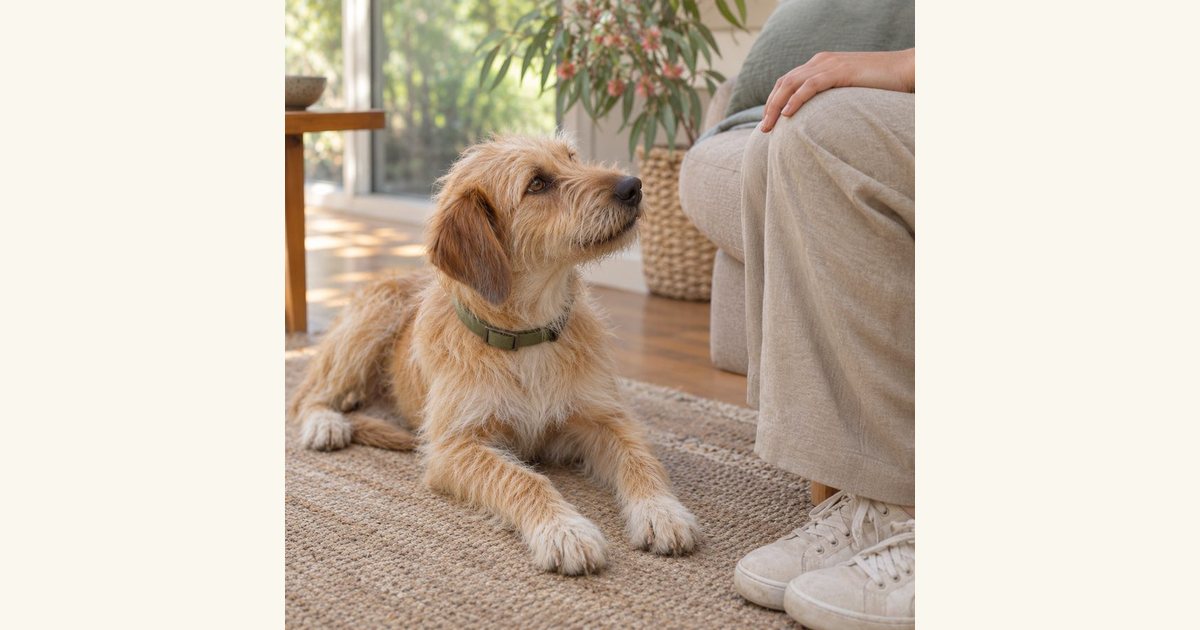
Why practise this?
A name that reliably earns a glance gives you a friendly way to get your dog’s attention before you ask for anything else, which helps keep them safe.
What you need
- Pick a quiet room your dog knows well.
- Cut small, soft rewards your dog enjoys and keep them in a pocket or pouch.
The cue
Their name is the cue. Say it once in a warm voice, and save it for good things rather than for telling off.
Practise together
Wait until your dog is relaxed nearby. Say their name once, in a friendly everyday voice.
If they are busy sniffing or playing hard, wait for a calmer moment.
The moment they glance towards you, say “yes” and give a reward.
A flick of an ear or a half turn of the head counts at first.
Toss the next reward a little to one side so they turn away to find it.
Tossing the reward away resets them for another easy look.
As they finish eating, say their name once more. Mark the glance back with “yes” and toss the reward in a new direction.
Finish after a few happy turns. Try again later in another room or the garden.
Several tiny sessions across the day work better than one long one.
Make it easier
Move closer, use a tastier reward or pick a calmer moment. If they do not look, do not repeat the name. Make a small friendly sound or step away, then reward the glance. Stop if they seem unsettled.
When to move on
When your dog turns to you straight away at the first call in a quiet room, try the same game in the garden or a slightly busier room.
If you get stuck
They ignore their name
Avoid saying it again and again. Go somewhere quieter, step back a little and reward any look towards you.
Their name gets used for telling off at home
Agree as a household to use the name for good things only. Some families choose a fresh nickname for this game.
They stop moving away and just stare at you
That is a lovely problem. Toss the reward a little further so they have a reason to look away again.