 koda
More regular vet checks
Vets often suggest a check every six months for older dogs, because changes can happen quickly. Blood and urine tests can find problems early. Mention anything new, even if it seems like normal ageing, such as drinking more, weight changes, lumps, bad breath, coughing or toilet accidents.
Stiff joints are not just old age
Arthritis is very common in older dogs and it can be treated. If your dog is slow to get up, struggles with stairs or the car, or no longer wants to walk far, ask your vet about pain relief. Keeping your dog at a healthy weight takes a lot of strain off sore joints.
Comfort at home
Put non-slip rugs or mats on smooth floors, and give them a thick, supportive bed in a warm spot away from draughts. A ramp or step helps with the car and the couch. Keep nails short, as long nails make walking harder. Raised food and water bowls may help some dogs.
Warm in winter
Older dogs can feel the cold more, especially lean or short-coated dogs. A warm bed off the floor, a coat on chilly walks and a towel dry after rain help a lot. Stiffness is often worse on cold mornings, so take the first walk slowly.
Keep their mind busy
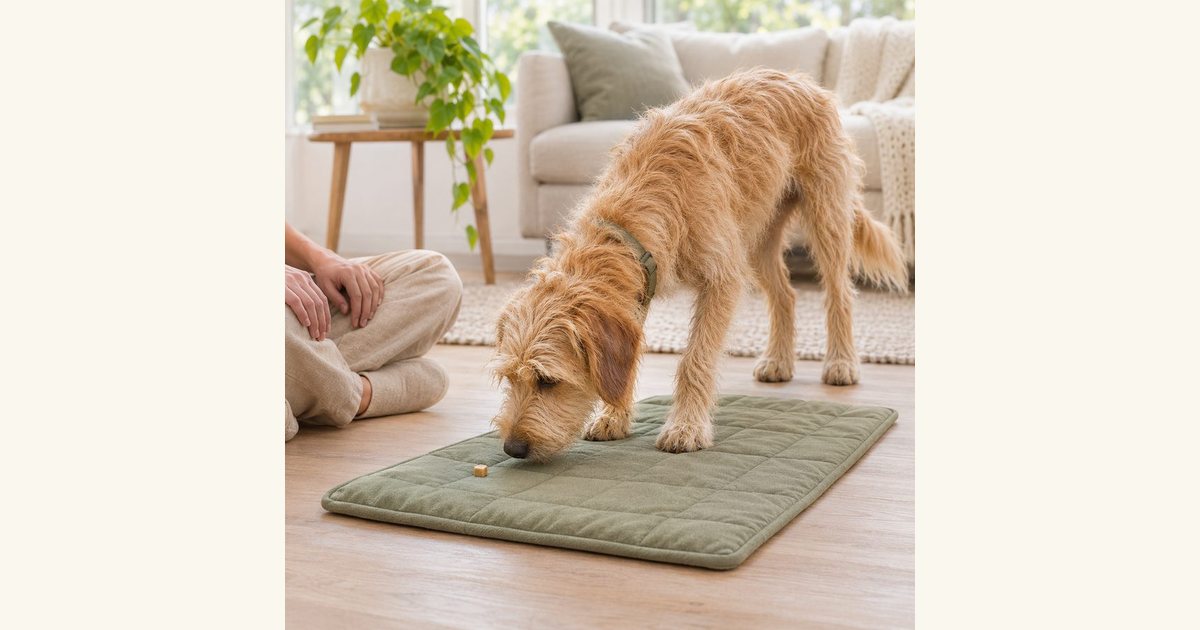
Shorter, slower walks with plenty of sniffing are often better than long ones. Gentle brain games like Find it, scatter feeds, food puzzles and easy tricks keep older dogs happy and engaged. It is never too late to learn something new.
Changes in thinking
Some older dogs develop a kind of dementia. Signs include getting lost or stuck in corners, staring at walls, changes in sleep such as pacing at night, forgetting toilet habits, being more anxious, or less interest in family. These can also be signs of pain or illness, so talk to your vet. There are treatments and changes that can help.
Planning ahead
Talk to your vet about quality of life as your dog ages. Keeping a short journal of good days and hard days can help you see changes clearly and make kind decisions when the time comes.
Sources and further reading
Cornell University College of Veterinary Medicine · Senior dog dementia