 koda
The first few days: keep their world small
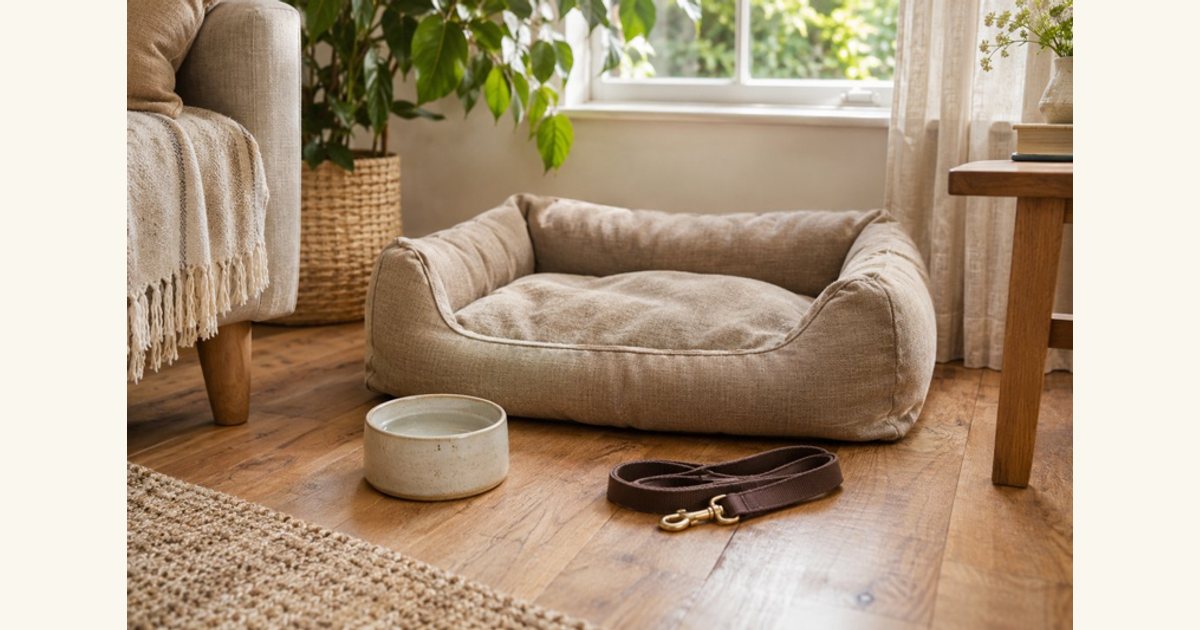
Set up one quiet base room with a bed, water and a place to hide, such as a covered crate with the door open. Keep to the same few people, skip visitors and outings, and take short, calm toilet trips on lead. Let them sleep as much as they want. A bath can wait unless they really need one.
Let them come to you
Sit nearby, talk softly and toss treats without reaching for them. Let them choose when to come close and when to leave. Ask everyone in the house never to pull them out of their safe spot.
Weeks one and two: a gentle routine
Keep meals, toilet trips, short sniffy walks and rest at similar times each day. Sniffing, licking and chewing are calming, so a scatter feed or a lick mat can do more than a long walk. Start simple house rules kindly from day one, using rewards. A few notes in your journal will help you spot what helps.
Week three onwards: widen their world slowly
Add one new thing at a time, such as a new street, one visitor or a short car trip. Start easy lessons like Their name means good things, Touch my hand and A quiet moment on a mat. Build time alone in tiny steps.
A rough guide, not a rule
You may hear about “3 days, 3 weeks, 3 months”. It is a helpful reminder that settling takes time, but every dog is different. Some dogs seem very easy at first and then show more of their personality after a few weeks. That is normal, and it does not mean something has gone wrong.
When to ask for help
Arrange a vet check in the first few days after your dog comes home. If your new dog is refusing food, phone your vet for advice that day. Seek advice sooner for a young puppy or a dog who is weak, vomiting or otherwise seems unwell. The rescue can tell you their usual food and routine. Ask your vet for help if hiding persists or if your dog growls or snaps.
VCA Urgent Care · Loss of appetite