 koda
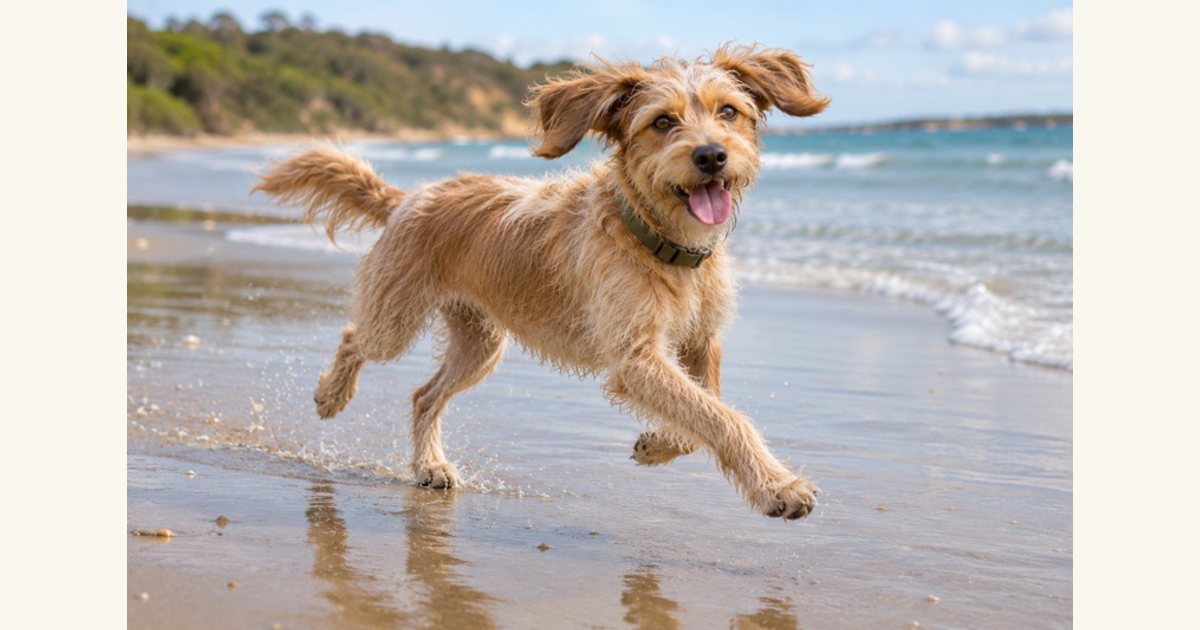
Have a better play option ready
Keep a suitable toy close so you can offer it before play turns towards hands or clothing. Avoid making fingers into moving targets or turning a pulled-away hand into a chase game.
Notice when play changes
Mouthing can increase when a puppy is tired or overexcited. Pause lively play and offer a calmer opportunity to rest. Avoid shouting or physical punishment. Actively supervise children with the puppy and keep them safely apart whenever an adult cannot supervise.
Write down the build-up
Save the time and what happened beforehand. “After a long game, grabbed sleeves; settled when play stopped” gives more context than “naughty again”. Use the same tag for later entries.
Know when to ask for help
Stiffening, guarding or a concerning change needs individual advice from your vet and a qualified reward-based behaviour professional. Do not assume every bite is play. If a bite breaks a person's skin, seek medical advice. A serious injury needs urgent medical care. Injured animals need a vet.