 koda
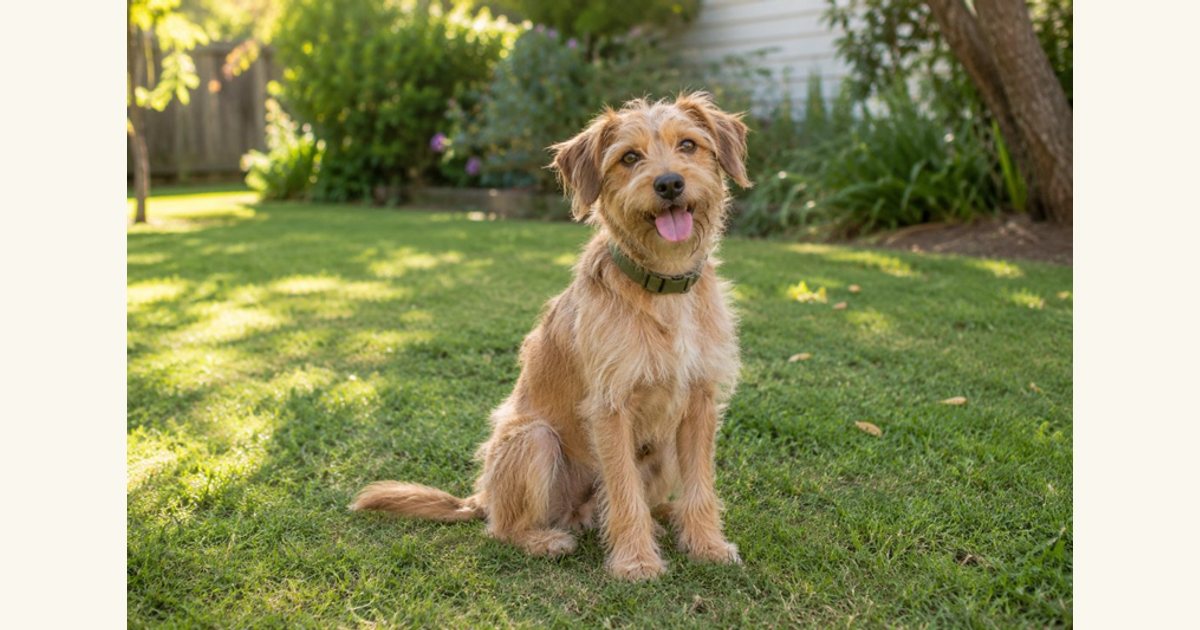
Let them move the way puppies move
Give your puppy chances to sniff and move at their own pace on secure ground with good footing. Ask your vet what suits their breed, growth, health and vaccination stage.
Go easy on repetitive, high-impact play
Long runs beside a bike, jogging on footpaths, and endless ball or frisbee chasing put the same strain on growing joints again and again. Save jogging and long runs on hard ground until your vet says your puppy has finished growing, which takes longer in big breeds.
Stairs for very young pups
One observational study in four large breeds found an association between daily stairs before three months and later hip dysplasia. It could not establish cause or a rule for every puppy. Use a gate to prevent unsupervised falls and ask your vet what suits your puppy.
Prospective study in four large breeds · Exercise and hip dysplasiaWalks are for sniffing
Short, slow, sniffy walks build confidence and are tiring in a good way. Let your puppy stop and explore. Brain games, short training sessions and chews count as activity too.
Rest matters just as much
Give your puppy a quiet place to rest between outings. If they are still lively after play, a burst of running alone does not tell you how much sleep or exercise they need. Watch for changes to their usual pattern.
Generation Pup study · Sleep in dogs up to 12 months oldFollow your puppy
Stop before your puppy is tired. Lagging behind, lying down on a walk or not wanting to go on are signs to head home. If your puppy limps, seems stiff or is reluctant to move, see your vet.