 koda
Before the move
Bring out boxes a few at a time so packing does not all happen at once. Keep walks, meals and bedtime at their usual times. If the new home is close, take your dog for a few walks around the new area before you move.
Moving day
Doors are often left open on moving day, which is a common time for dogs to escape. Keep your dog in a quiet room with the door shut and a sign on it, or ask a friend or a dog sitter to look after them for the day. Give them water, their bed and a long-lasting chew.
A box of familiar things
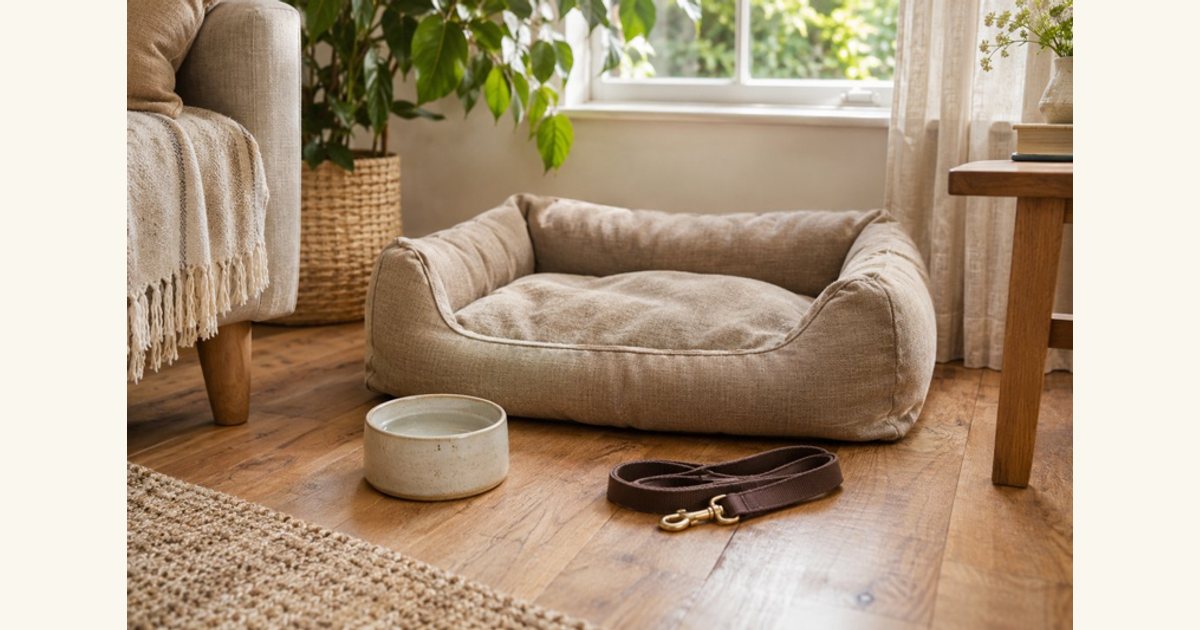
Pack one clearly labelled box with their bed, bowls, food, lead, toys, medicines and records, and keep it with you. Familiar smells help a new place feel safe.
Check the new place
Before your dog explores, walk the fences and gates, look for gaps and check for anything dangerous left behind, such as snail bait or rubbish. Show them where to toilet straight away, just as you would with a new puppy.
Update their details
Update your address with the microchip registry and register your dog with the new council if you have changed council areas. Put your current phone number on their ID tag.
Settling in
Expect a few unsettled days or a toilet accident or two. Stay with them more at first, keep the routine steady, and build time alone again in small steps. If your dog is still very unsettled after a few weeks, talk to your vet.