 koda
Be close and pay attention
An adult needs to stay close, watch and listen during interactions. Being in the room while distracted is not enough. Before your attention turns elsewhere, use a secure barrier or separate rooms. Check that children cannot reach through or open the barrier. Never leave a child alone with a dog.
Protect quiet and busy moments
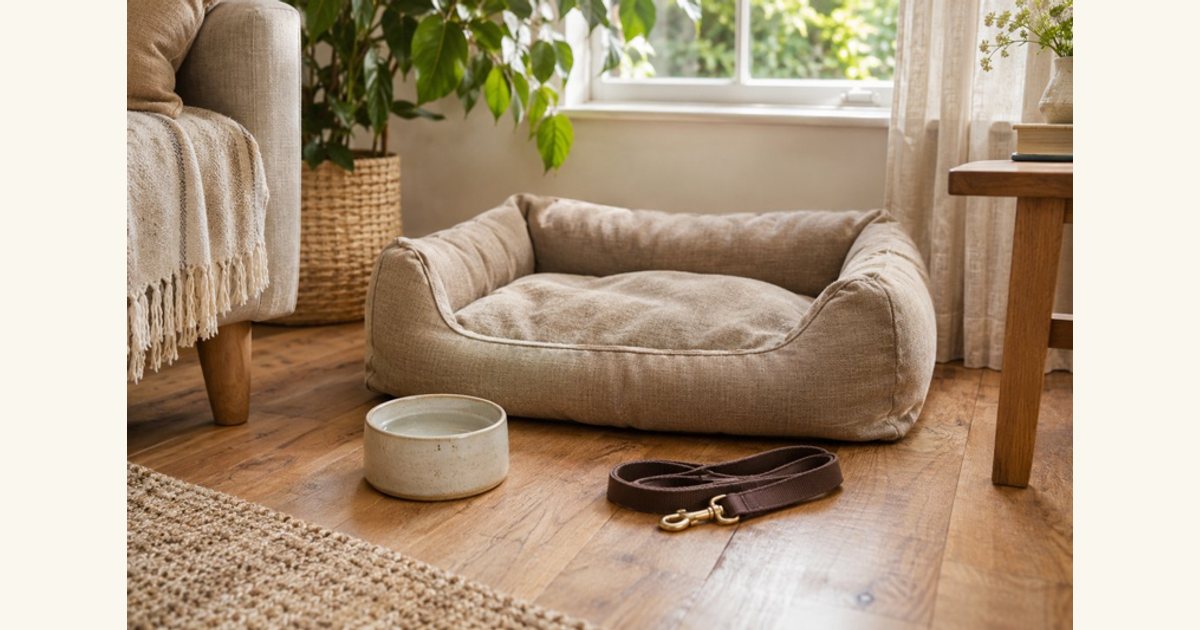
Give your dog a resting area that children do not enter. Keep children away while a dog eats, sleeps or enjoys a chew or toy. Adults manage these arrangements without taking items from the dog. Children should never practise taking food or belongings away.
Let the dog choose contact
Let a dog approach voluntarily and leave whenever they wish. Avoid hugging, kissing, climbing on, chasing or putting a face near a dog's face. Pause if the dog turns away or becomes tense, or the child needs a break. Knowing the rules does not replace adult supervision.
Share the plan with the family
Agree who watches and where breaks happen. For a shared dog, record concerns in Journal for the family. If the dog growls or snaps, calmly move the child away and keep them separated; do not grab the dog's collar or punish them. Contact your vet and ask about qualified behaviour support before trying contact again. Seek medical attention for an injured person.